

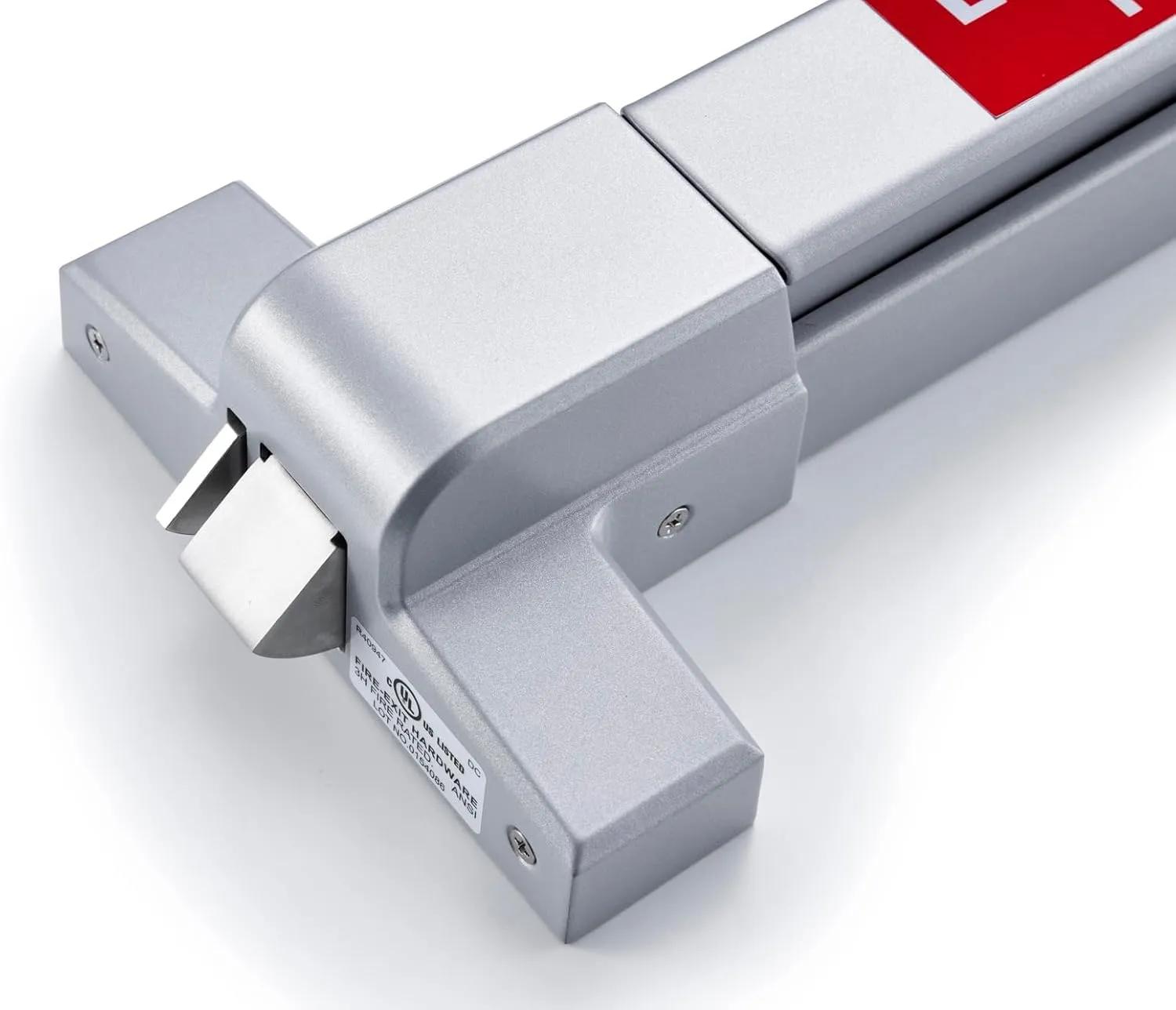
Exit Devices and Panic Bars
Exit Devices and Panic Bars: The Commercial Security Detail Ottawa Businesses Overlook
When owners think about commercial security, they picture keeping people out: stronger deadbolts, better locks, maybe cameras. The hardware that lets people get out safely gets far less attention, right up until an inspection, an incident, or an insurance review puts it in the spotlight. Exit devices, commonly called panic bars or push bars, sit at the intersection of life safety and security, and they are one of the most commonly misunderstood pieces of hardware on a commercial door. Locksmith On Time helps Ottawa businesses get this detail right, because a door that fails either job, keeping intruders out or letting occupants out, is a liability.
What a Panic Bar Actually Does
A panic bar is the horizontal push bar across the inside of many commercial exit doors. Push it, and the door releases instantly without a key, a twist, or a second motion. The idea is that a crowd moving under stress, or a single person in the dark, can always get out by simply leaning into the door. No fumbling for a latch, no searching for a knob, no instructions to read: the escape is built into the body's natural reaction to push forward against an obstacle.
Life Safety Comes First
Building and fire codes require this kind of free egress on many commercial and assembly occupancies precisely because seconds matter in an emergency. A door that needs a key or a fiddly handle to open from the inside is not just inconvenient; in the wrong moment it is dangerous and often non-compliant.
Security and Egress Are Not Opposites
Owners sometimes resist exit devices because they fear a door that opens freely from inside is easy to abuse. The right hardware solves both concerns at once.
Keeping the Outside Secured
An exit device releases from the inside only. From the outside the same door stays locked, and can be fitted with a keyed or electronic trim so authorized staff still enter normally. Pairing panic hardware with the right outside control is standard work for a commercial locksmith in Ottawa, and it means free exit never leaves you with a wide-open back door.
Alarms and Controlled Doors
For doors that should only be used in a genuine emergency, an exit device can be paired with a local alarm so staff know the moment it is used. This discourages the back-door shortcut that quietly undermines security all day long, the propped-open door that staff use for a quick break and forget to close behind them.
Matching Hardware to the Door and the Code
Not every door takes the same device. A hollow metal exterior door, a glass storefront, and a fire-rated stairwell door each call for different exit hardware, and fire-rated openings in particular must use devices rated to match.
Get It Specified Properly
This is where guessing backfires. Installing the wrong device can fail an inspection or void a door's fire rating. When you plan a fit-out or an upgrade, folding exit devices into your broader commercial lock installation in Ottawa ensures the hardware, the door, and the code all line up the first time.
Don't Forget the Keys Behind the Doors
Exit hardware is only one layer. Behind those doors, offices, supply rooms, and server closets still rely on keyed access that drifts out of control as staff come and go. Reviewing that alongside your exit doors keeps the whole building coherent, and scheduled office rekeying in Ottawa is the companion step that keeps interior access as tidy as your exits are safe.
Frequently Asked Questions
Is my business legally required to have panic bars? It depends on your occupancy type, occupant load, and the specific door. Many commercial and assembly spaces do require free egress hardware. We can assess your doors and tell you where devices are needed.
Won't a panic bar make it easy for people to walk out the back? The bar releases only from the inside, and the outside stays locked. For sensitive doors, an added alarm flags any use, so you keep both safety and control.
Can a panic bar be added to our existing doors? Usually, yes, provided the door and frame suit the device. Fire-rated doors need a matching rated device, which we specify carefully.
Do exit devices need maintenance? Yes. They are mechanical and see heavy use, so periodic checks keep them releasing reliably and staying latched when closed.
Can you handle both the exit hardware and our interior keys? We can. We fit and service exit devices and also manage keyed and rekeyed access for the offices and storerooms behind them.
Call Locksmith On Time at 613-777-3487 to review your exit hardware and make sure your Ottawa business is both secure and safe to leave.