

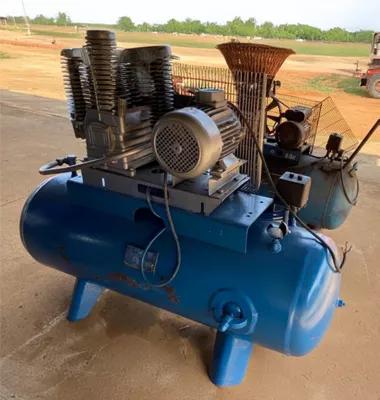
Used Industrial Air Compressor
How to Vet a Used Industrial Air Compressor Before It Lands on Your Floor
A good used industrial air compressor can be a smart way to add capacity, cover a second shift, or keep a backup machine on standby. A bad one becomes a source of downtime that follows you for years. The difference is almost always in the inspection. CFM Air Equipment has rebuilt, serviced, and sold air compressors across Western Canada for more than sixty years, and the same discipline that keeps new machines running is what you should apply before accepting any used unit. Here is how to vet one properly.
Start With the Service History, Not the Paint
A freshly cleaned machine tells you nothing about how it was run. The service history tells you everything. Ask for maintenance records: how often the oil and filters were changed, whether the air end was ever rebuilt, how many hours are on the machine, and whether it ran in a clean environment or a dusty, corrosive one.
Hours and duty cycle
Running hours matter, but so does how those hours were accumulated. A compressor that ran steadily in a well-maintained plant may be in far better shape than a lower-hour machine that was short-cycled hard or neglected. If the history is thin or missing, treat that as a red flag and weigh the added risk carefully before you commit.
Inspect the Air End and Core Components
The air end is the heart of a screw compressor and the single most involved thing to put right. A trained technician should evaluate it for bearing wear, unusual noise, vibration, and any sign of oil carryover that points to deeper trouble. CFM Air Equipment rebuilds air ends as part of its regular service work, which means its technicians know exactly what a tired one looks and sounds like under load.
Motor, cooler, and controls
Beyond the air end, check the motor for insulation condition and bearing health, the cooler for fouling and leaks, and the control system for whether it still functions and can be supported. A machine with obsolete, unsupportable controls can be a dead end even if the mechanicals are sound. The availability of replacement parts for the specific make and model is part of the evaluation, not an afterthought.
Run It Under Load
A compressor that looks fine sitting idle can reveal its problems the moment it works. Whenever possible, see the machine run under load. Watch whether it builds and holds pressure, listen for knocks or squeals, check for leaks and excessive heat, and confirm the unloading and controls behave correctly through a full cycle. A short run under real conditions tells you more than any amount of visual inspection.
Factor In Condition, Support, and Fit
Even a mechanically sound machine has to fit your plant. Confirm the pressure and flow match your demand, that the electrical supply suits the motor, and that the physical footprint works in your compressor room. A unit that is wrong for the application is a poor choice no matter how healthy it is. Reviewing CFM Air Equipment's used equipment listings is a good way to see machines that have already been inspected and backed by a service organization rather than sold as-is by an unknown party.
The value of a backed machine
There is a meaningful difference between a used compressor bought from an anonymous seller and one that comes from a dealer who inspected it, services the brand, and stands behind it. The second kind comes with a known history and a support path. If you would rather have an expert assess a machine you are considering, you can request a quote on used equipment and let the team weigh in before you decide.
Buy the Machine, Not the Headache
Used compressed air equipment rewards patience and punishes haste. Insist on the service history, have the air end and core components inspected by someone who rebuilds them, run the machine under load, and confirm it fits your application and has a support path. Do that, and a used compressor becomes a genuine asset. Skip it, and you may inherit someone else's retired problem. CFM Air Equipment helps facilities across Alberta, Saskatchewan, Manitoba, and Western Ontario make that call with confidence.
Frequently Asked Questions
Is buying a used industrial air compressor a good idea? It can be an excellent way to add or back up capacity, provided the machine is properly inspected. The key is verifying its history and condition before you buy rather than after.
What is the most important thing to check? The air end on a screw compressor, because it is the heart of the machine and the most involved component to repair. Have it evaluated by a technician who rebuilds air ends and knows what wear sounds like under load.
Why does the service history matter so much? How a machine was maintained and how its hours were accumulated often predict its remaining life better than the hour meter alone. Missing records are a warning to proceed carefully.
Should I buy from a dealer or a private seller? A machine from a dealer who inspected it, supports the brand, and stands behind it comes with a known history and a service path, which a private as-is sale rarely offers.
Can CFM Air Equipment help me evaluate a used machine? Yes. The team can assess a unit's condition, confirm parts availability, and advise whether it fits your application before you commit.