

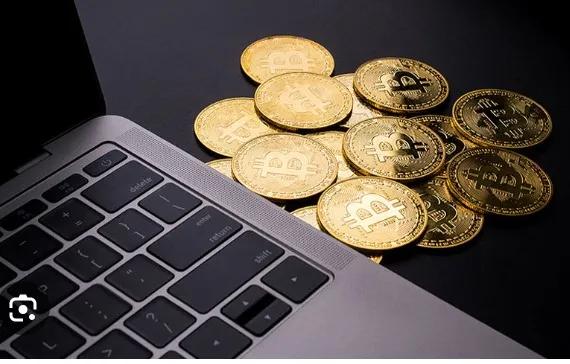
Virtual Asset Trading Platform
Virtual Asset Trading Platform: Simplifying Digital Asset Management
The rise of digital finance has made virtual asset trading platforms essential tools for investors and businesses seeking to manage and trade digital assets efficiently. These platforms provide secure environments for buying, selling, and exchanging cryptocurrencies, tokenized assets, and other digital investments. With the rapid growth of the virtual asset ecosystem, understanding how these platforms work is crucial for anyone engaging with digital finance.
A virtual asset trading platform connects buyers and sellers, enabling seamless transactions while offering tools for portfolio management, market analysis, and risk mitigation. By using regulated platforms, users gain confidence in both security and compliance with local regulations.
What Is a Virtual Asset Trading Platform?
A virtual asset trading platform is an online service that facilitates the exchange of digital assets. It allows users to:
Trade cryptocurrencies and tokens
Store assets securely in digital wallets
Monitor real-time market trends and prices
Execute buy and sell orders efficiently
These platforms serve as gateways to the digital asset market, making trading accessible to both beginners and professional investors.
Key Features of Virtual Asset Trading Platforms
Secure Digital Wallets
Digital wallets are integral to virtual asset platforms, allowing users to store their assets safely. Platforms use advanced encryption to protect assets from theft or cyberattacks.
Real-Time Market Data
Platforms provide live market data, including price charts, trading volumes, and historical trends. This information helps traders make informed decisions.
Trading Pairs and Liquidity
Virtual asset trading platforms support multiple trading pairs, enabling users to exchange one digital asset for another efficiently. High liquidity ensures faster transactions and minimal price slippage.
Risk Management Tools
Advanced platforms offer features such as stop-loss orders, portfolio trackers, and analytics to help users manage risk effectively.
Regulatory Compliance
Leading platforms comply with local regulations, implementing measures like KYC (Know Your Customer) and AML (Anti-Money Laundering) to safeguard users and maintain market integrity.
Benefits of Using a Virtual Asset Trading Platform
Accessibility
Platforms provide a user-friendly interface, making digital asset trading accessible to individuals worldwide. Users can trade anytime and anywhere, provided they have internet access.
Efficiency
Automated order execution and integrated tools streamline trading processes, allowing users to manage multiple assets without manual intervention.
Security and Transparency
Trusted platforms utilize blockchain and encryption technologies to secure transactions and maintain transparent records, ensuring trust in the system.
Market Insights
Platforms often include educational resources, research reports, and analytics tools that help users understand market trends and optimize trading strategies.
Using a reputable virtual asset trading platform ensures both security and efficiency, providing a reliable environment for managing digital investments.
Risks Associated with Virtual Asset Trading
While trading platforms offer numerous advantages, users must remain aware of potential risks:
Market Volatility: Digital assets can fluctuate rapidly, affecting investment outcomes.
Cybersecurity Threats: Platforms can be targeted by hackers; secure passwords and two-factor authentication are essential.
Regulatory Changes: Evolving regulations can influence platform operations and user access.
Fraudulent Platforms: Using unverified platforms may expose users to scams or losses.
Tips for Safe Trading on Virtual Asset Platforms
Choose Regulated Platforms: Ensure compliance with local laws and security standards.
Secure Your Wallets: Use hardware wallets or encrypted digital wallets for added protection.
Diversify Assets: Avoid concentrating all investments in a single digital asset.
Stay Updated: Monitor market news, platform updates, and regulatory changes.
The Future of Virtual Asset Trading Platforms
Virtual asset trading platforms are evolving rapidly with technological advancements:
Integration with Traditional Finance: Bridges between digital and traditional financial systems are improving liquidity and adoption.
Decentralized Trading: DEXs (Decentralized Exchanges) are growing, allowing peer-to-peer trading without intermediaries.
AI-Powered Analytics: Artificial intelligence is being used for predictive analysis and risk management.
Enhanced Security: Continuous improvements in cybersecurity protect investors against emerging threats.
These innovations indicate that trading platforms will play a central role in shaping the future of digital finance.
FAQs
1. What types of assets can be traded on virtual asset platforms?
Most platforms support cryptocurrencies, stablecoins, utility tokens, and tokenized real-world assets.
2. Are virtual asset trading platforms safe to use in Hong Kong?
Yes. Platforms that comply with Hong Kong regulations ensure security and follow licensing, KYC, and AML standards.
3. How can I minimize risks when trading on these platforms?
Use regulated platforms, implement secure storage, diversify assets, and stay informed about market and regulatory developments.
Conclusion
Virtual asset trading platforms are essential tools in the digital financial ecosystem, offering security, transparency, and efficiency for managing digital investments. By understanding their features, benefits, and associated risks, investors can engage confidently in trading while leveraging market insights and tools for better decision-making. Using regulated and reliable platforms ensures a safe environment for trading and positions users to take advantage of the rapidly growing world of digital assets.